Catandra Script Font for Modern Web Design
Selecting the right typeface is one of the most critical decisions in digital product design. As web designers and UI creators, we understand that typography does more than display text; it establishes tone, guides user behavior, and reinforces brand identity. Catandra Script offers a distinct solution for projects requiring a handmade, charming, yet thoroughly modern aesthetic. Unlike traditional calligraphy fonts that can feel dated or overly formal, this typeface brings a fresh touch that translates exceptionally well to screens. For digital creators building landing pages, online stores, or branded web experiences, Catandra provides the visual warmth necessary to connect with users while maintaining the clarity required for effective interface design.
Visual Characteristics and Digital Personality
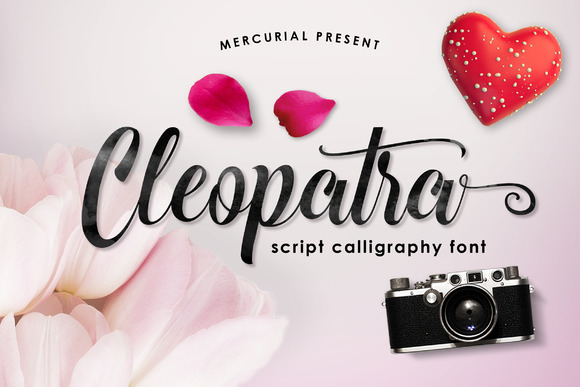
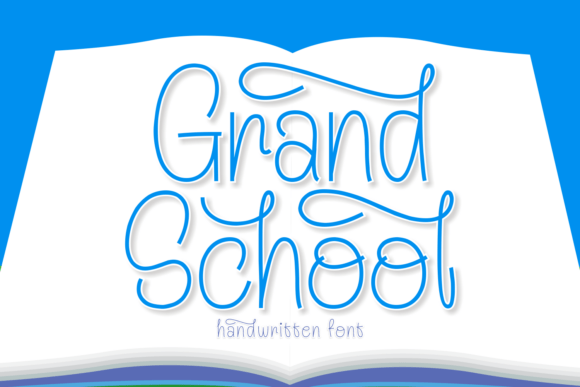
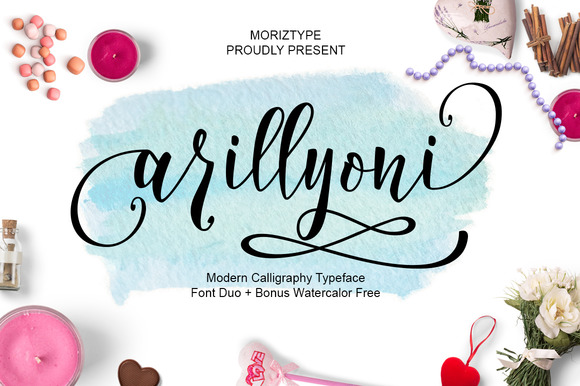
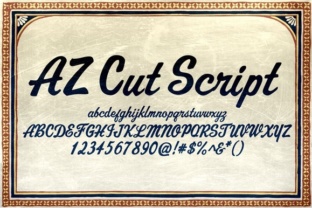
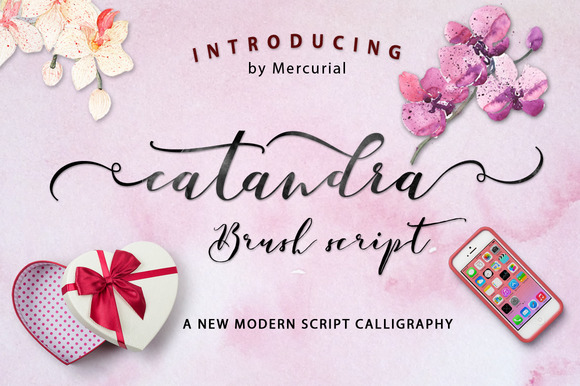
Catandra Script is defined by its balance between organic hand-lettering and structured legibility. In the context of web design, this distinction matters significantly. Many script fonts fail on digital platforms because their intricate details become muddy at smaller sizes or on lower-resolution displays. Catandra avoids this pitfall through clean vector lines and thoughtful spacing. The letterforms possess a natural rhythm that mimics authentic handwriting without sacrificing the consistency needed for responsive layouts.
This font carries a personality that is approachable and creative, making it ideal for brands that want to appear human-centric rather than corporate. When used in a digital environment, it softens the rigid grid structures common in modern web design. It acts as a visual anchor, drawing the eye to specific areas of the screen without overwhelming the overall composition. For UI designers, this means Catandra serves as a functional design asset that enhances user experience through emotional resonance and visual hierarchy.
Strategic Applications in Web Layouts
The versatility of Catandra Script allows it to perform across various digital touchpoints. However, its strength lies in display usage rather than body copy. Understanding where to deploy this typeface is key to maintaining readability and conversion focus.
- Hero Sections and Headings: Use Catandra for primary headlines on landing pages to immediately establish a boutique or artisanal vibe. Its unique character shapes create instant interest above the fold.
- Logo and Brand Marks: The font’s handmade quality makes it an excellent foundation for wordmarks in navigation bars or footer signatures, reinforcing brand recall.
- Promotional Banners: For e-commerce sites running seasonal promos or special offers, Catandra adds urgency and excitement without looking like generic clip art.
- Editorial Accents: Bloggers and content creators can use this script for pull quotes, category tags, or sidebar widgets to break up dense blocks of sans serif body text.
- Digital Product Packaging: Course creators and coaches can utilize Catandra on certificate templates, slide decks, and workbook PDFs to maintain a cohesive premium feel.
By restricting Catandra to these high-impact areas, designers preserve its novelty and ensure the site remains scannable. Overusing any decorative font dilutes its effect and hampers accessibility, so strategic restraint is essential.
Readability and Responsive Considerations
Implementing a handwritten font in a responsive environment requires careful technical consideration. While Catandra is designed with modern usability in mind, web designers must still account for varying screen sizes and viewing conditions. On mobile devices, script fonts can sometimes suffer from reduced x-heights or tight kerning. When integrating Catandra into a mobile-first workflow, test headings at multiple breakpoints. You may need to adjust letter-spacing or line-height specifically for viewport widths under 768px to prevent characters from touching or becoming illegible.
Contrast is another vital factor for digital readability. Catandra performs beautifully against both light and dark backgrounds, provided there is sufficient color contrast ratio to meet WCAG standards. For image overlays, ensure the background image has a consistent tone or apply a subtle gradient overlay to guarantee the script remains crisp. Avoid placing this font over busy photographic textures where the organic strokes might get lost. Additionally, consider load times; if using webfont files, subset the font to include only necessary characters and alternates to keep page performance optimal.
Effective Font Pairing Strategies
A successful typographic system relies on harmony between display and body fonts. Catandra Script pairs best with typefaces that offer stability and neutrality to ground its expressive nature. The goal is to create a dialogue between the decorative and the functional.
- Geometric Sans Serif: Pairing Catandra with a clean geometric sans serif creates a contemporary, minimalist look. The structured circles and straight lines of the sans serif provide a perfect counterpoint to the fluid curves of the script. This combination works exceptionally well for SaaS platforms targeting creatives or modern lifestyle brands.
- Transitional Serif: For editorial sites, wedding portals, or luxury e-commerce, combine Catandra with a classic serif font. This pairing evokes tradition and elegance while the script element keeps the design feeling current and personalized.
- Monospace: For a more avant-garde or tech-forward aesthetic, try pairing the script with a monospace font. This unexpected juxtaposition highlights the handmade quality of Catandra and creates a distinctive visual tension suitable for portfolio sites or digital agencies.
When setting up CSS variables or design tokens, define clear roles for each typeface. Assign Catandra strictly to heading levels (H1-H3) or specific utility classes for accents, while reserving your paired body font for paragraphs, lists, and UI elements like buttons and form inputs.
Licensing and Technical Assets for Professionals
For web designers and agency owners, verifying licensing is as important as selecting the style. Catandra falls under the category of premium commercial fonts, meaning proper licensing is required for professional use. Always review the specific license agreement included with the download. Standard desktop licenses typically cover logo design and static graphics, but web projects often require a separate webfont license based on monthly pageviews or domain count.
If you are designing templates for sale, creating themes for marketplaces, or building apps for end-users, you will likely need an extended or app-specific license. Using unlicensed fonts in client deliverables or digital products exposes both the designer and the client to legal risk. Furthermore, check the included file formats. Professional web workflows demand WOFF2 files for optimal browser performance, while OTF or TTF files are necessary for design software like Figma, Sketch, or Adobe Creative Cloud. Confirming multilingual support is also prudent if your project targets international audiences, ensuring the handmade charm extends across different character sets without breaking the layout.
Elevating Brand Identity Through Typography
Ultimately, Catandra Script is a tool for differentiation. In a digital landscape saturated with identical system fonts and overused Google Fonts, introducing a carefully crafted handwritten typeface signals intentionality. It tells the user that the brand values craftsmanship and personal connection. Whether applied to a wedding invitation suite digitized for the web, a t-shirt mockup in an online store, or the signage for a virtual event, Catandra bridges the gap between physical tactility and digital convenience.
For the modern web designer, success lies not just in making things look beautiful, but in making them work effectively. Catandra supports this dual mandate by offering aesthetic appeal without compromising functional integrity. By respecting its role as a display font, optimizing it for responsive environments, and pairing it thoughtfully, you can leverage this typeface to build digital experiences that are not only visually striking but also deeply engaging and conversion-ready. It transforms standard web pages into curated brand moments, proving that even in the digital realm, the human touch remains a powerful driver of engagement.