Allessa Script Font: Elevating Small Business Branding
I still remember the exact moment I realized my candle business had a typography problem. I was standing at a local craft market, watching potential customers pick up my jars, read the label for a split second, and then put them back down. The product smelled amazing, and the wax was perfectly poured, but something about the visual presentation felt off. It wasn't until I looked at my neighbor’s booth—a skincare line with gorgeous, flowing lettering on every box—that I understood the gap. My labels looked functional, but they didn't feel like an experience. That weekend, I started searching for a typeface that could bridge the gap between "homemade" and "handcrafted luxury," which is exactly when I discovered Allessa Script.
Finding the Right Voice Through Typography
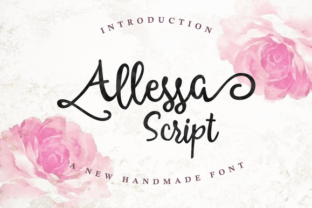
As small business owners, we often wear every hat in the company. We are the product developers, the shippers, the customer service reps, and the designers. When it comes to design assets, we don't have time to learn complex calligraphy or hire an agency for every seasonal refresh. We need tools that work as hard as we do. Allessa Script became that tool for my brand. Unlike rigid digital scripts that look like they were generated by a computer, this font carries the genuine imperfections of human handwriting. It has a natural look that feels warm and inviting rather than stiff and corporate.
The personality of this typeface is what sold me. It strikes a delicate balance between elegance and approachability. For a handmade business, you want your packaging to whisper quality without shouting pretension. Allessa Script achieves this through its organic curves and varied stroke widths. When I first typed out my signature scent names using this font, the text didn't just sit on the screen; it danced. It transformed a simple list of ingredients into a story. This is the power of choosing the right script font—it adds emotional resonance to physical products.
Transforming Packaging and Product Labels
The most immediate impact I saw was on my product labels. In the candle and beauty space, readability is non-negotiable, but so is vibe. I learned quickly that Allessa Script is best utilized as a display font for headlines, product titles, and logos rather than body text. Using it for the main fragrance name—"Wild Fig & Cedar" or "Lavender Haze"—created a focal point that drew the eye immediately. However, for the smaller details like weight, safety warnings, and ingredient lists, I paired it with a clean, minimalist sans serif font. This contrast is crucial. The script provides the romance, while the sans serif ensures the customer can actually read what they are buying.
This font pairing strategy extended beyond just the jar labels. I began using Allessa Script on my thank-you cards and packing slips. There is a distinct difference between receiving a package with a standard printed receipt and one where the header features a beautiful, flowing script. It mimics the feeling of receiving a personal note from a friend. For online sellers, these unboxing moments are prime opportunities for social media shares. When customers photograph your packaging because it looks beautiful, your branding does the marketing for you. The consistent use of this specific typeface across boxes, tissue paper stickers, and insert cards created a cohesive brand identity that finally felt professional.
Digital Consistency Across Social Media and Web
Consistency isn't just for physical goods; it is equally vital for digital presence. Before finding this font, my Instagram grid looked disjointed. Some posts used bold modern typography, others used generic cursive, and nothing tied together visually. Integrating Allessa Script into my social media templates changed the aesthetic overnight. Because the font includes various alternates and ligatures, I could create diverse graphics without the text looking repetitive. Swash capitals worked beautifully for announcement posts, while the simpler lowercase forms were perfect for quoting customer reviews or highlighting blog post titles.
On my website, I used the font sparingly but strategically. It appears in the hero banner and section headers to maintain that boutique feel, but I avoided using it for navigation menus or long-form product descriptions. Readability on mobile screens is paramount, and intricate scripts can sometimes become illegible when scaled down. By reserving Allessa Script for high-impact areas, I maintained the artisanal charm of the site without sacrificing user experience. This thoughtful application of modern typography principles helped reduce bounce rates because visitors could navigate easily while still feeling immersed in the brand's unique atmosphere.
Practical Tips for Implementation
If you are considering bringing this creative font into your own business workflow, here are a few practical lessons I learned along the way:
- Check Commercial Licensing: Always verify the license before using any font on products for sale. Allessa Script typically offers clear commercial licensing options, but confirming this protects your business legally and supports the type designer.
- Utilize OpenType Features: Don't settle for the default keystrokes. Access the glyph panel in your design software to find swashes, alternate characters, and connecting ligatures that make the text flow more naturally.
- Mind the Spacing: Script fonts often require manual kerning adjustments, especially in logo design. Ensure letters connect smoothly without awkward gaps or overlapping tangles that hinder legibility.
- Test Print Before Bulk Ordering: Screens can be deceiving. Always print a test label at actual size to ensure the thinner strokes of the script hold up on your specific paper stock or packaging material.
- Pair Intentionally: Let the script be the star. Choose supporting fonts that are neutral and highly readable to prevent visual clutter on small surfaces like cosmetic jars or jewelry tags.
Building Trust Through Visual Polish
Ultimately, upgrading to a premium font like Allessa Script was about more than just aesthetics; it was about building trust. In the crowded marketplace of handmade goods and boutique brands, customers equate visual polish with product quality. When your typography looks intentional and refined, customers subconsciously assume the same care went into formulating your soap, baking your cookies, or curating your vintage collection. It signals that you take your craft seriously.
Making the switch didn't happen overnight, and it required rethinking how I approached every touchpoint of my business. But seeing customers now stop at my market table, trace their fingers over the embossed script on my boxes, and smile with recognition makes every minute of design tweaking worth it. Typography is the silent ambassador of your brand. Choosing a typeface that aligns with your values and resonates with your audience can turn a casual browser into a loyal advocate. For my business, Allessa Script wasn't just a new font file; it was the final ingredient that made everything else click into place.